Why Everything Is Getting Expensive (And How To Prepare Before Prices Rise Again)
If it feels like everything is getting more expensive lately, you are not imagining it.
Over the past few weeks, things have shifted quickly. Fuel prices are rising, energy costs are climbing again, and there are early warnings that food prices will follow. The reason behind this is not random. It is being driven by global events, and as long as the situation continues, the cost of living is likely to keep increasing.
Understanding why everything is getting expensive is no longer just helpful, it is essential. Because the sooner you understand what is happening, the more time you have to prepare before the next wave of rising prices hits.
What Is Actually Causing Prices To Rise Right Now
The current situation comes down to one key factor. Disruption to global oil and energy supply.
When oil supply is affected, everything else follows. Fuel becomes more expensive, transport costs rise, and businesses start paying more to operate. That increase then works its way through the entire system.
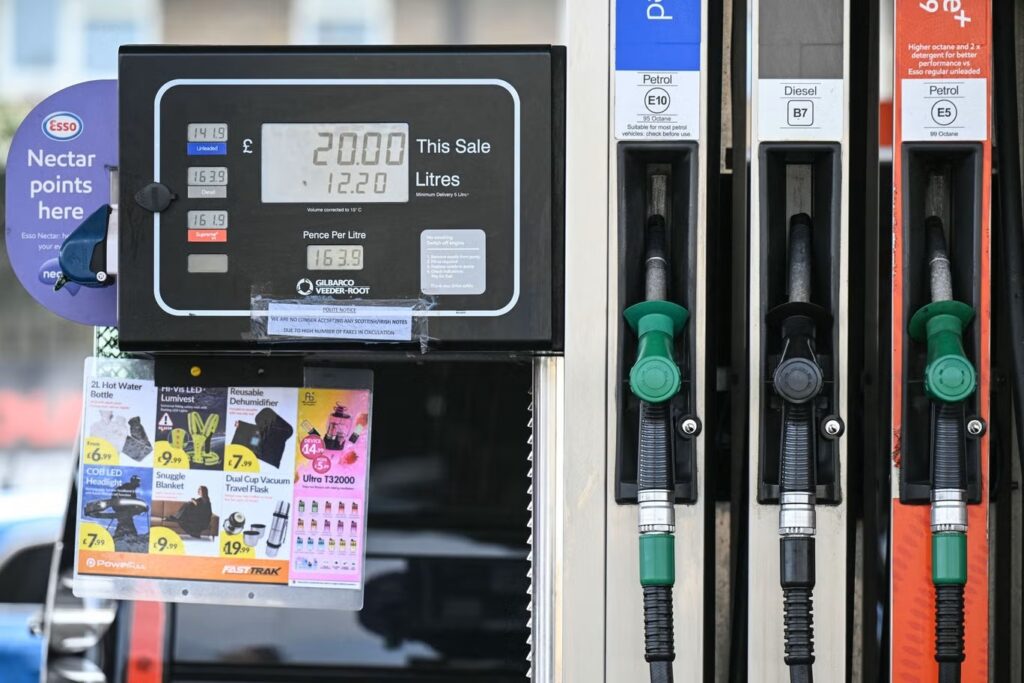
Energy prices have already started to rise again, with forecasts suggesting household bills could increase by more than £300 a year. Petrol and diesel have also jumped in price within weeks, adding immediate pressure to everyday budgets.
This is not a slow change. It is already happening.
Why Fuel Prices Affect Almost Everything You Buy
Fuel is not just about driving. It is at the centre of how goods are produced and delivered.
Transport costs
Every product you buy has been transported. When fuel prices go up, delivery costs increase, and those costs are passed on to you.
Farming and food production
Farmers rely on fuel for machinery and transport. They also depend on fertiliser, which is heavily linked to energy prices. When these costs rise, food production becomes more expensive.
Packaging and materials
Many everyday products use oil-based materials, including plastics and packaging. As oil prices rise, so does the cost of producing these items.
This is why rising prices tend to hit everything at once rather than just one area.
This Is Already Happening (Not Something In The Future)
This is not something that might happen later. It is already happening now.
Businesses are reporting hundreds of pounds in extra weekly fuel costs. Farmers are seeing fuel prices nearly double in some cases. These increases are already moving through the supply chain.
That means higher prices are not just coming. They are already working their way into what you pay every day.
What Will Go Up First & What Will Follow
One of the most useful things to understand is the timing.
In the next few weeks
Fresh produce grown in heated environments is likely to rise first. This includes items like tomatoes, cucumbers, and peppers, as they rely heavily on energy.
In the next 3 to 6 months
Milk, wheat, and other staple products are likely to follow. These take longer to be affected but will still see increases as costs work through the system.
Longer term
If the situation continues, wider food prices, transport costs, and general household goods will continue to rise.
This is why preparing early makes such a difference.
What Will Definitely Become More Expensive
Based on what is already happening, there are certain areas that are very likely to increase.
Fuel and transport costs
Energy bills
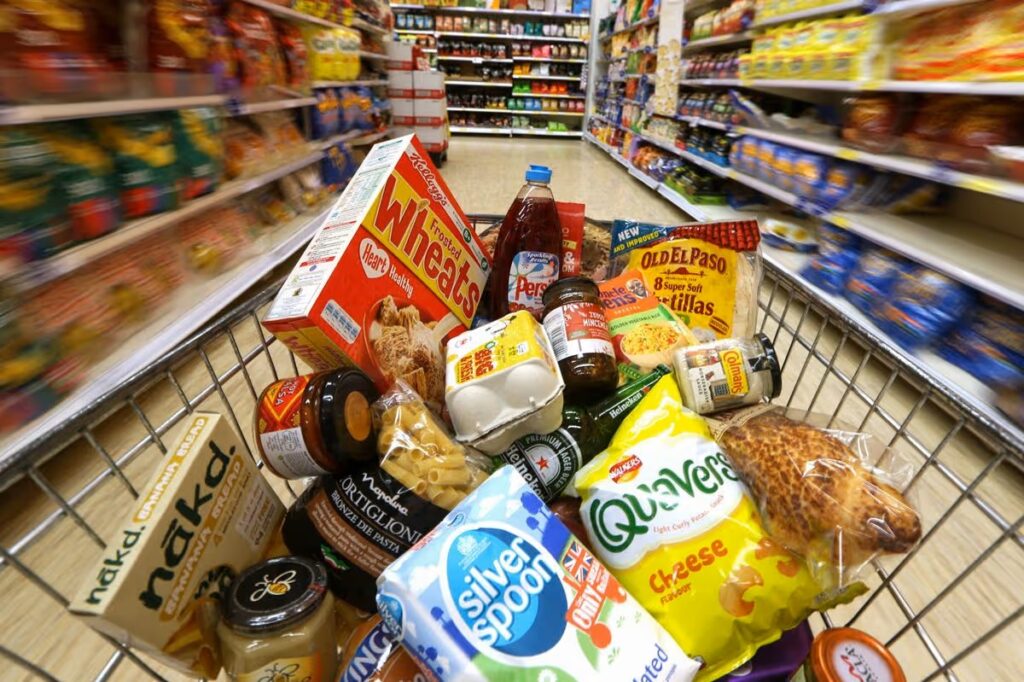
Food staples like bread, pasta, and milk
Fresh produce grown with high energy use
Travel and holidays
Products made with plastic or heavy packaging
These are all directly or indirectly linked to oil, gas, or supply chain costs.
How To Prepare Now Before Prices Rise Further
This is the part that matters most.
You cannot stop prices rising, but you can prepare for them.
Start by looking at the areas most likely to be affected. Food, fuel, and household essentials are the main ones. Making small adjustments now can save you money later.
Focus on:
planning ahead instead of reacting
reducing last-minute spending
buying strategically rather than impulsively
This is not about panic buying. It is about getting ahead while you still can.
Smart Bulk Buying (Without Overspending)
Bulk buying can help, but only if it is done properly.
Buy more of the things you already use regularly, especially items with a long shelf life. This protects you from future price increases.
Avoid buying:
items you rarely use
perishable food that may go to waste
large quantities just because they seem like a deal
The goal is to reduce future costs, not create new waste.
A Practical Staples List To Focus On
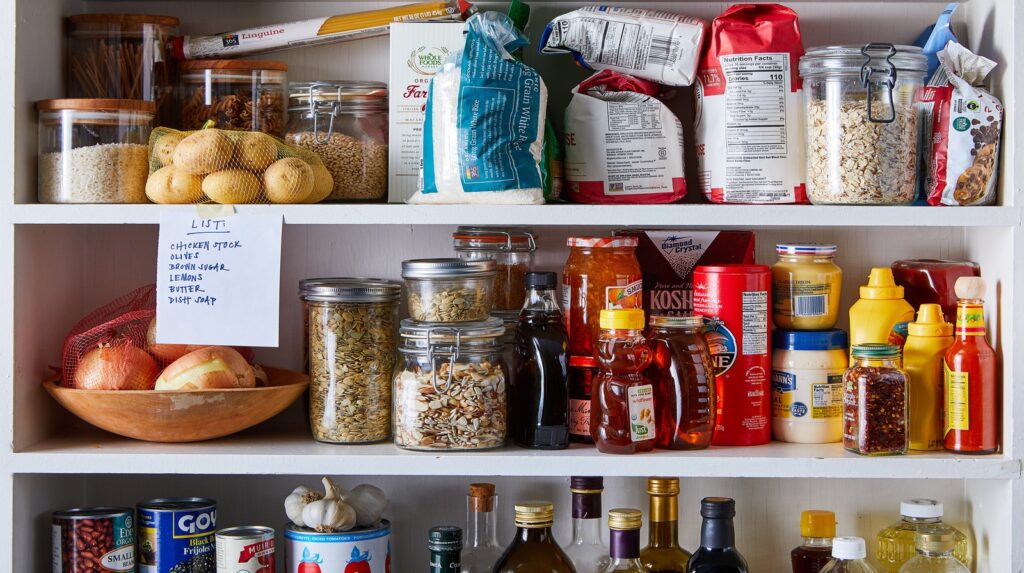
If you are going to prepare, start with essentials.
Food staples:
Rice
Pasta
Tinned foods
Long-life milk
Flour
Cooking oil
Household essentials:
Toiletries
Cleaning products
Laundry supplies
Fuel-linked goods:
Packaged foods
Frozen foods
Anything heavily transported
Energy Costs Are Likely To Rise Again**
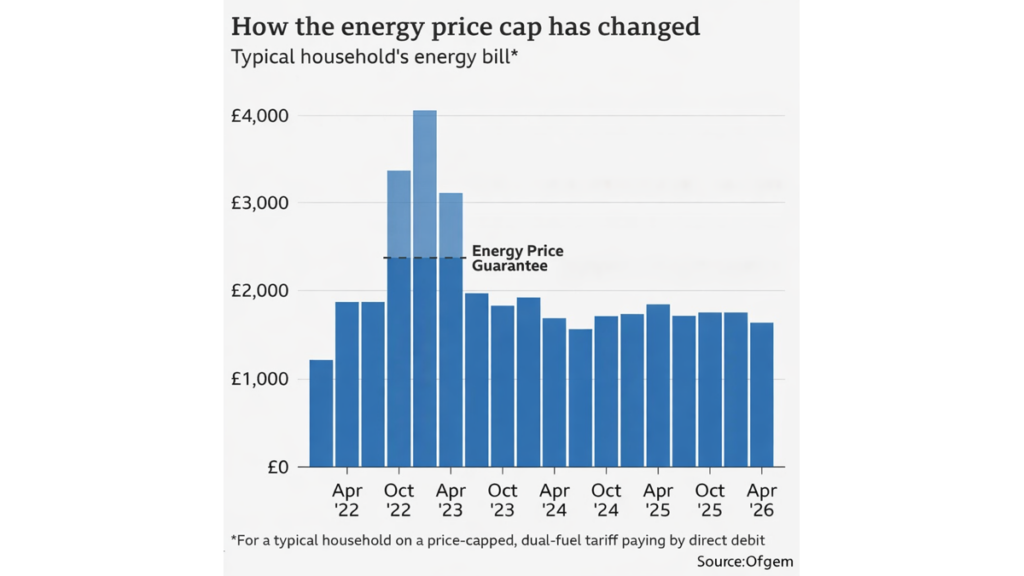
Before we move on, it helps to see how energy prices have already behaved over time and why this matters now.
The graphic below shows how household energy costs have changed under the price cap and why further increases are expected.
Forecasts suggest energy bills could rise again from summer, adding further pressure to the cost of living.
This situation is still developing, but one thing is clear. Prices are already rising, and more increases are likely if things continue.
The good news is you still have time to prepare.
Small, practical steps now can make a real difference later. You do not need to do everything at once. Just start with what you can and build from there.
If this helped, share it with someone who needs it.
I’ve got an active competition running right now, so make sure you check it out before you go. Click the competition banner above to enter and bookmark the page so you never miss a new one.
If you are still wondering what this all means in real life, these quick answers cover some of the biggest questions readers may have right now.
Why is everything getting expensive right now
Rising oil and energy costs are increasing the cost of transport, production, and supply chains, which leads to higher prices.
What will become more expensive first
Fresh produce and fuel are usually affected first, followed by staple foods and household goods.
Should I bulk buy everything now
No. Focus on items you already use regularly and that have a long shelf life to avoid waste.
How to budget using the 50/30/20 rule If rising prices are making money feel harder to manage, this is a simple budgeting method that helps you split your income into needs, savings and wants without overcomplicating things.
If this post helped you feel more prepared for rising prices, use the share buttons below and tag #MissMoneySaver so others can discover simple ways to manage their money.
You can also leave a comment and share what you are doing now to prepare. Your tip might help someone else get ahead before prices rise further.
Facebook
Pinterest
WhatsApp
Email
Twitter
This post contains affiliate links, which means I may receive a small fee if you sign up for some of the products or services recommended, at no extra cost to yourself.
You’re welcome, I hope they help.
It really does feel like everything has gone up at once, which is why being prepared makes such a difference.
Keeping track of where your money is going each month can help you stay ahead of those increases.
Using this budget planner notebook makes it easier to plan ahead and adjust before costs creep up further.
Thank you, I’m glad you found it useful.
It really does help to understand what’s driving the increases so you can plan ahead. Using this budget planner notebook can help you stay on top of your spending and adjust before costs creep up further.
Thank you, Gaynor Prices really have gone up so much, which makes finding small ways to save even more important. If you found the tips useful, please share the post with someone who might find it helpful too.







8 Comments
Margaret Gallagher
24 March 2026 at 1:15 PM -Everything seems to have skyrocket i price
Thanks for your tips
Miss Money Saver
24 March 2026 at 8:42 PM -You’re welcome, I hope they help.
It really does feel like everything has gone up at once, which is why being prepared makes such a difference.
Keeping track of where your money is going each month can help you stay ahead of those increases.
Using this budget planner notebook makes it easier to plan ahead and adjust before costs creep up further.
Christine Watson
28 April 2026 at 5:17 PM -Interesting information
Miss Money Saver
28 April 2026 at 6:08 PM -Thank you, I’m glad you found it useful.
It really does help to understand what’s driving the increases so you can plan ahead. Using this budget planner notebook can help you stay on top of your spending and adjust before costs creep up further.
James Travis
28 April 2026 at 10:57 PM -Really useful information
Miss Money Saver
29 April 2026 at 12:20 AM -You’re welcome, I hope it helps.
It can feel a lot easier to manage once you start spotting where the increases are coming from.
Gaynor mcewan
27 September 2026 at 10:20 PM -The prices of things are just through the roof thank you very much for your tips
Miss Money Saver
27 September 2026 at 11:57 PM -Thank you, Gaynor Prices really have gone up so much, which makes finding small ways to save even more important. If you found the tips useful, please share the post with someone who might find it helpful too.