
Receiving Personal Independence Payment (PIP) could give you access to much more than your regular benefit payments. Understanding your PIP entitlements could help you reduce household bills, save money on travel and access additional financial support.
Many people receive PIP for years without realising what else they could qualify for. From discounted vehicle tax to free companion tickets, these savings can make a significant difference.
However, some schemes require a particular PIP component, rate or assessment score. Others have additional eligibility requirements.
This guide explains what you could receive, how to check your eligibility and where to apply.
You may also qualify for disability discounts and money-saving schemes that do not require you to receive PIP. Explore my guide to UK Disability Discounts & Money-Saving Schemes You Might Be Missing for more opportunities to reduce your everyday expenses.
Understanding Your PIP Award
Personal Independence Payment helps people manage the additional costs of living with a disability or long-term health condition.
PIP is tax-free and does not depend on your income or savings. You can also receive it while working.
It has two components:
Daily living: Standard or enhanced rate.
Mobility: Standard or enhanced rate.
You can receive either component or both, depending on your individual circumstances.
Your award letter explains which components you receive, the rates and the duration of your award.
Keep a copy because many organisations accept it as evidence when you apply for additional support.
In Scotland, Adult Disability Payment has replaced PIP. Similar support may be available, although eligibility and application processes can differ.
1. Additional Universal Credit Payments
If you already receive Universal Credit, tell the Department for Work and Pensions (DWP) about your PIP award through your online journal.
Receiving PIP may affect how the DWP calculates your Universal Credit entitlement.
For example, you may benefit from:
Removal of the benefit cap.
Additional housing support in certain circumstances.
A disabled child addition if an eligible young person you are responsible for receives PIP.
You may also qualify for additional financial support if your health affects your ability to work.
However, receiving PIP does not automatically qualify most working-age claimants for the Limited Capability for Work and Work-Related Activity element.
The DWP normally assesses this separately.
2. Disability Premiums
Some people who receive certain older means-tested benefits may qualify for additional payments known as disability premiums.
These include:
Disability Premium.
Enhanced Disability Premium.
Severe Disability Premium.
Your entitlement depends on your existing benefits, PIP award, living arrangements and whether someone claims a carer-related benefit for looking after you.
Universal Credit has replaced many older benefits. Therefore, seek independent benefits advice before making changes to an existing claim.
If your PIP award starts from an earlier date, you may also qualify for additional payments covering that period.
3. Carer’s Allowance and Carer’s Credit
If you receive either rate of the daily living component of PIP, someone who regularly cares for you may qualify for Carer’s Allowance.
They must provide at least 35 hours of care each week and meet the other eligibility requirements, including earnings rules.
A carer does not necessarily need to live with you or be related to you.
Alternatively, someone receiving Universal Credit may qualify for its carer element.
If someone cares for you for at least 20 hours each week, they may qualify for Carer’s Credit. This helps protect their National Insurance record and future State Pension entitlement.
However, a carer’s benefit claim can affect certain disability premiums or other benefits you receive.
Always check how a new claim could affect your household finances before applying.
4. Additional Pension Credit
If you receive Pension Credit alongside the daily living component of PIP, you may qualify for an additional payment.
This additional support could increase your weekly income if you meet the relevant conditions.
Your living arrangements and whether someone receives a carer-related benefit for supporting you can affect your eligibility.
Contact the Pension Service if you have recently received a PIP award or your existing award has changed.

5. Housing Benefit and Housing Support
Receiving PIP may affect the amount of financial assistance you receive towards your rent.
Depending on your circumstances, you could qualify for additional Housing Benefit or Universal Credit housing support.
For example, some people who need an overnight carer may qualify for an additional bedroom allowance.
If you are under 35, rent privately and receive the daily living component of PIP, you may also qualify for an exemption from the shared accommodation rate.
This could increase the amount of housing support you receive.
Certain disability-related rules may also affect deductions applied to your housing support.
Contact your local council or Universal Credit adviser to request a review of your entitlement.
6. Council Tax Discounts and Reductions
Council Tax can represent a significant monthly expense. Fortunately, several schemes could help reduce your bill.
Council Tax Reduction
Your local council may offer financial support based on your household income and circumstances.
Receiving PIP could affect the calculation of your Council Tax Reduction.
However, the amount of assistance varies between councils.
Disabled Band Reduction Scheme
If your home contains additional space or facilities that meet your disability-related needs, you may qualify for a lower Council Tax band.
For example, this could include an additional bathroom or space for wheelchair use indoors.
Severe Mental Impairment Discount
People who meet the legal and medical criteria for severe mental impairment may qualify for a Council Tax discount or exemption.
A qualifying benefit and medical certification are normally required.
Receiving PIP alone does not automatically establish eligibility.
7. Vehicle Tax Discounts and Exemptions
One of the most valuable PIP entitlements for motorists is a reduction in vehicle tax.
Your mobility component determines the available reduction.
Standard mobility rate: 50% vehicle tax reduction.
Enhanced mobility rate: 100% vehicle tax exemption.
The vehicle must meet the relevant registration and usage requirements.
For example, if a nominated driver uses the vehicle, they must use it for your personal needs.
The reduction does not apply automatically. You must follow the appropriate application process.
8. The Motability Scheme
If you receive the enhanced mobility component of PIP and have at least 12 months remaining on your award, you can apply to join the Motability Scheme.
The scheme allows you to exchange your qualifying mobility allowance towards leasing a:
Car.
Wheelchair-accessible vehicle.
Mobility scooter.
Powered wheelchair.
Depending on your chosen vehicle, the package can include insurance, servicing and breakdown assistance.
Some vehicles also require an advance payment.
Remember that you exchange your mobility allowance towards the lease. You do not receive a free vehicle in addition to keeping your full mobility payment.

9. Blue Badge Parking
A Blue Badge can make travelling and everyday activities more accessible.
In England, certain PIP assessment scores automatically satisfy the disability eligibility criteria.
These include:
Eight points or more under the moving around activity.
Ten points specifically under descriptor E of the planning and following journeys activity.
You may still qualify through an individual assessment if you do not meet these automatic criteria.
A Blue Badge can provide access to designated parking spaces and other parking concessions.
However, parking rules and charges differ between locations.
10. Road Toll Discounts and Exemptions
Some UK bridges, tunnels and toll roads offer discounted or free crossings for eligible disabled motorists.
For example, vehicles that receive a full disability-related vehicle tax exemption do not need to pay the Dartford Crossing charge.
Other crossings may offer concessions to Blue Badge holders or people who meet specific disability-related eligibility criteria.
These can include the M6 Toll, Mersey Gateway Bridge and Tyne Tunnels.
You may need to register or apply in advance.
Always check the individual operator’s requirements before travelling.
11. Discounted Rail Travel
Anyone receiving PIP at either rate of either component can apply for a Disabled Persons Railcard.
The Railcard provides one-third off eligible train fares for you and one accompanying adult.
It currently costs:
£20 for one year.
£54 for three years.
If you regularly travel by train, the savings could quickly recover the cost of your membership.
12. Free or Discounted Bus Travel
You may qualify for a disabled person’s bus pass depending on your disability, assessment scores and where you live.
Some councils accept particular PIP assessment scores as evidence of eligibility.
However, receiving PIP does not automatically qualify everyone for free bus travel.
In England, the Government has announced plans to remove weekday time restrictions for eligible disabled bus pass holders from 1 April 2027.
Scotland, Wales and Northern Ireland operate their own concessionary travel schemes.

13. Discounted Coach Travel
The National Express Disabled Coachcard offers savings for disabled passengers.
The card currently costs £30, plus £3 postage and packaging when you purchase it online or by telephone.
It provides one-third off eligible Standard and Fully Flexible coach fares, including peak-time journeys.
You can also access certain additional offers available to Coachcard holders.
You do not need to receive a particular rate of PIP to apply.
14. Free Cinema Companion Tickets
If you enjoy visiting the cinema, you could save money with a Cinema Exhibitors’ Association Card, commonly known as the CEA Card.
Receiving PIP is one of the accepted eligibility routes.
The card currently costs £6.50 and lasts for one year.
When you purchase your own qualifying cinema ticket, your accompanying companion can receive a free ticket at participating cinemas.
Even a few cinema visits could save considerably more than the cost of the card.
15. Discounts on Days Out and Attractions
Many attractions offer concessionary admission or free tickets for essential companions.
These may include:
Theme parks.
Zoos.
Museums.
Historical attractions.
Theatres.
Concert venues.
Leisure centres.
For example, the National Trust offers free admission for essential companions supporting visitors with disabilities.
Your PIP award letter may provide suitable evidence when registering for certain access schemes.
However, eligibility varies between organisations. Check before booking, especially if you need to purchase tickets in advance.
16. Disabled Facilities Grants
If your disability makes everyday activities at home difficult, you could qualify for a Disabled Facilities Grant.
This funding can help with essential adaptations, including:
Accessible bathrooms.
Stairlifts.
Ramps.
Widening doorways.
Improvements to heating controls.
In England, eligible applicants can receive grants of up to £30,000. Different limits and arrangements apply elsewhere in the UK.
Your council assesses your needs and, where applicable, your financial circumstances.
Receiving PIP does not automatically guarantee funding.
Contact your council before starting any adaptation work.

17. VAT Relief on Disability Equipment
People with qualifying disabilities or long-term health conditions can purchase certain equipment without paying VAT.
Eligible products and services may include:
Wheelchairs.
Adjustable beds.
Stairlifts.
Certain mobility aids.
Specialist medical equipment.
Qualifying home adaptations.
VAT relief may also cover certain installation, maintenance and repair costs.
Both your condition and the product or service must meet the eligibility requirements.
You do not need to receive PIP to qualify.
Ask the supplier about VAT relief before making your purchase.
18. Cheaper Broadband and Phone Packages
Some broadband and telephone providers offer reduced-price packages known as social tariffs.
Although many providers focus on means-tested benefits, some also accept PIP.
You could potentially reduce your monthly broadband bill without sacrificing the essential services you need.
Compare available packages before switching and check whether your current provider offers an eligible tariff.
19. Water Bill Support
WaterSure helps eligible households manage high essential water usage.
This can be particularly valuable if a medical condition means you need to use more water than the average household.
The Government has announced reforms in England that will add PIP to the list of qualifying benefits under the expanded WaterSure scheme.
The changes are expected in early 2027. Additional income, water usage and eligibility requirements will still apply.
In the meantime, ask your water supplier about its existing social tariffs and financial assistance schemes.
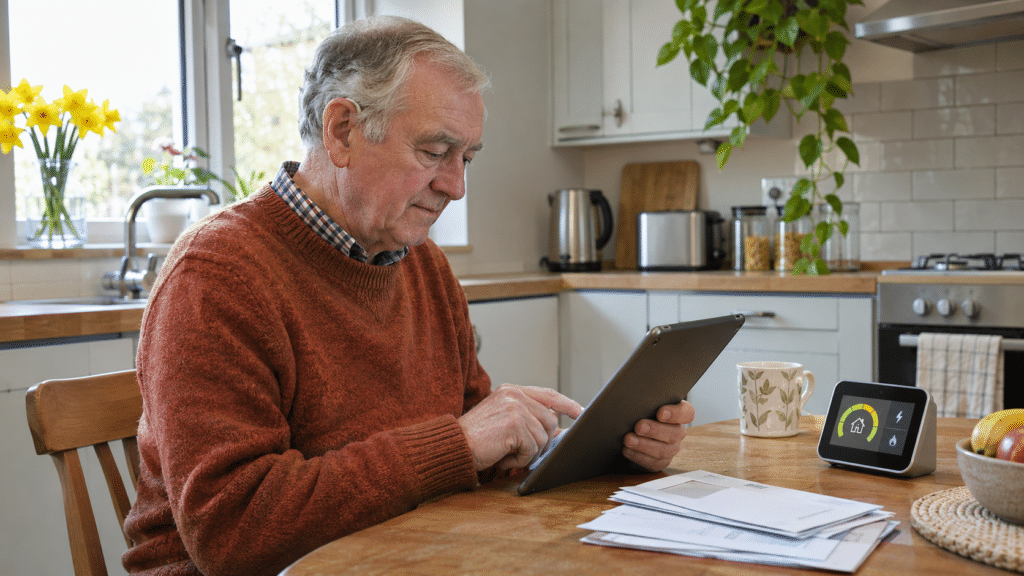
20. Energy Bills and Priority Services
Receiving PIP does not automatically qualify you for the Warm Home Discount.
However, you may qualify if you receive other eligible benefits and meet the scheme’s requirements.
Your energy supplier may also offer hardship grants or additional support if you struggle to pay your bills.
Furthermore, people with disabilities or long-term health conditions can request registration on their supplier’s Priority Services Register.
This free service provides practical assistance, including support during power cuts and accessible communications.
21. Help With NHS Costs
Many people mistakenly assume that receiving PIP automatically provides free NHS prescriptions.
Unfortunately, this is not the case in England.
However, you may qualify for assistance through other eligibility routes, including the NHS Low Income Scheme.
Depending on your circumstances, assistance could include:
Prescription charges.
NHS dental treatment.
Eye tests and glasses.
Eligible healthcare travel costs.
You may also save money on regular medication through a Prescription Prepayment Certificate.
Scotland, Wales and Northern Ireland provide free NHS prescriptions.
22. Access to Work
If you work or plan to start working, Access to Work could provide financial assistance to help you manage disability-related difficulties in the workplace.
Support may include specialist equipment, assistive software, job coaching or disability-related travel costs.
You do not need to receive PIP to apply. However, working PIP recipients should consider whether they could benefit from this additional support.
23. The £10 Christmas Bonus
PIP is one of the qualifying benefits for the annual Christmas Bonus.
This is a tax-free payment of £10, which eligible recipients normally receive before Christmas.
You must receive a qualifying benefit during the qualifying week, usually the first full week of December, and meet the residency requirements.
You do not need to apply because eligible recipients should receive the payment automatically.
If you believe you qualify but have not received your payment by 1 January, contact the relevant benefits office.
24. Charitable Grants and Additional Financial Support
Charities and independent organisations sometimes provide grants to people experiencing financial difficulties or additional disability-related expenses.
Depending on their eligibility requirements, grants may help with:
Essential household appliances.
Specialist equipment.
Furniture.
Clothing.
Mobility aids.
Emergency expenses.
You normally apply directly to the organisation offering the grant.
Turn2us provides a free grants search to help you identify potential sources of financial assistance.
The Purpl Community Grant Fund also offers grants of up to £2,000 towards disability-related expenses, including mobility equipment, accessibility adaptations, assistive technology and therapy.
You must have an active annual Purpl membership and meet the fund’s eligibility requirements.
25. Purpl Disability Discounts
Purpl is a discount membership scheme for people living with disabilities and long-term health conditions.
You can use your PIP award letter to verify your eligibility and access discounts from more than 350 brands, covering:
Supermarkets and groceries.
Clothing and footwear.
Household essentials.
Technology and electrical goods.
Holidays and travel.
Mobility equipment.
Health and wellbeing.
Membership costs £12 annually or £2 monthly.
One particularly useful offer is 10% off qualifying Morrisons online grocery orders over £25, with a maximum saving of £12 per order.
You do not need to receive PIP to qualify, as Purpl accepts other forms of disability evidence. Parents and carers can also register on behalf of someone with a qualifying disability.
Offers and eligibility requirements may change, so always check the latest terms before joining.
How to Check Your PIP Entitlements
You do not need to apply for everything at once.
Start by taking these practical steps:
Find your most recent PIP award letter.
Identify the components and rates you receive.
Review your household bills and regular expenses.
Check which schemes match your circumstances.
Contact the relevant organisation or benefit provider.
Keep a record of your applications and renewal dates.
Remember to use official websites and trusted organisations when submitting personal information.
Never assume that receiving PIP guarantees eligibility for every scheme.

Understanding your PIP entitlements could help you uncover financial support and everyday savings that you previously overlooked.
Whether you save money on vehicle tax, reduce your household bills or access additional benefits, checking your eligibility is worthwhile.
Which of these schemes did you already know about, and which will you be checking next? Let me know in the comments below.

Here are answers to some common questions about additional benefits, discounts and financial support for people receiving PIP.
What Extra Benefits Can I Claim on Standard Rate PIP?
You may qualify for a Disabled Persons Railcard, CEA Card and other concessions. Additional benefits depend on which component you receive and your circumstances.
Can I Receive PIP While Working?
Yes. PIP does not depend on your earnings, employment status or savings.
Does PIP Automatically Entitle Me to a Blue Badge?
No. Your eligibility depends on your assessment scores or whether you meet alternative disability-related criteria.
Can I Get Free Prescriptions If I Receive PIP?
Receiving PIP alone does not entitle you to free NHS prescriptions in England. However, you may qualify through another exemption or the NHS Low Income Scheme.
Do I Need to Apply for Additional PIP Entitlements?
Most schemes require a separate application. However, eligible PIP recipients should receive the Christmas Bonus automatically.

Explore these useful guides, tools and organisations to help you identify additional support and reduce your everyday expenses.
- How to Save Money on Your Bills – Discover practical ways to reduce your household expenses.
- Save Money on Your Food Bill – Find practical ways to reduce your grocery costs.
- Scope: Disability Benefits and Financial Help – Specialist guidance on financial support for disabled people.
- Free Purpl PIP and ADP Tracker – Record your daily difficulties and support needs to help prepare for PIP applications, reviews and appeals.
- If you have ADHD or autism, discover other forms of financial assistance in my guide to ADHD and Autism: Financial Support, Benefits and Discounts You Could Be Missing.

If you found this guide useful, share it with someone who receives PIP and may be missing out on additional benefits, discounts or financial support.
Use the links below and tag #MissMoneySaver when you share your money-saving tips and successes.
Every share helps more people discover the savings and support available to them.
This post contains affiliate links, which means I may receive a small fee if you sign up for some of the products or services recommended, at no extra cost to yourself.