Building an Emergency Fund: The Safety Net You Need
Building an emergency fund is one of the smartest things you can do to protect yourself from unexpected costs. If your fridge broke tomorrow or you lost your job next week, would you be able to cover the cost without panic? That is exactly why an emergency fund matters. It acts as your financial safety net, keeping you in control when life throws surprises your way.
Unlike saving for a holiday or a new phone, this money exists purely for life’s curveballs. With a clear plan, you can start small, stay consistent and build confidence in your financial future. Here is how to get started and why every household should have one.
An emergency fund is money set aside solely for urgent, unplanned expenses such as:
Car repairs
Boiler breakdowns
Medical bills or dental treatment
Job loss or income gap
Emergency travel
Unexpected family costs
Having this fund gives you breathing space when something unavoidable happens. It prevents debt, reduces stress and helps you handle problems without relying on credit.
Why Building an Emergency Fund Matters
Creating a fund is not only about money, it is about peace of mind and long-term stability.
✅ Avoids high-interest borrowing ✅ Reduces financial stress in uncertain times ✅ Keeps you in control when crises hit ✅ Builds resilience and confidence
Every pound saved strengthens your independence and financial calm.
How Much Should You Aim to Save in an Emergency Fund
You should begin with a realistic goal that fits your situation:
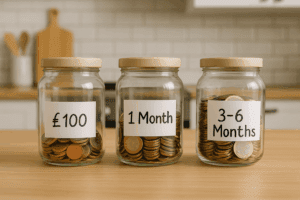
Mini Fund: £100–£500 – covers small emergencies
Basic Fund: 1 month of essential expenses
Full Fund: 3–6 months of bills and basics
Begin with a £500 buffer, then build gradually. Each step adds strength to your financial safety net.
Step-by-Step: How to Build an Emergency Fund
1️⃣ Work Out Your Essentials List rent or mortgage, utilities, food, transport, minimum debt payments and childcare. Add them up to find your baseline target.
2️⃣ Set a Starter Goal Even £10 a week equals £520 in a year. Small and steady wins build momentum.
3️⃣ Open a Separate Account Use an easy-access savings account or a Monzo or Starling Pot labelled Emergency Only. Keeping it separate creates a mental barrier.
4️⃣ Automate Your Savings Set up a standing order on payday and treat it like a bill. Automation removes temptation.
5️⃣ Boost It with One-Offs Add refunds, cashback, birthday money or side-hustle income. Every top-up reinforces your buffer.
Where to Keep Your Emergency Savings
For the best results: ✅ Use an easy-access savings account ✅ Avoid accounts with fees or withdrawal penalties ✅ Keep it separate from your main bank account ❌ Do not lock it into fixed savings accounts you cannot access
Accessibility matters more than high interest. This money is about speed and security, not investment returns.
Concert tickets or gadgets are not emergencies. Boiler breakdowns or medical bills are. Stick to these rules, and your savings will be ready when you truly need them.
How to Rebuild After Use
If you dip into the fund, restart contributions straight away. Think of it like recharging a shield. Every deposit restores your protection
Tips to Build an Emergency Fund Faster
If you want to accelerate your progress, try:
Cancel unused subscriptions
Use supermarket loyalty points as savings
Switch utilities and bank the difference
Plan meals to reduce food waste
Use a savings tracker app for motivation
Small lifestyle tweaks accelerate your progress.
In addition, small lifestyle changes free up cash and boost your emergency savings more quickly.
For another simple way to grow your savings, read:Quidco Cashback: The Secret to Smarter UK Shopping. It explains how to earn money back on everyday spending and turn your regular purchases into extra savings for your emergency fund.
Many readers want to know how to start and manage an emergency fund. These quick answers cover the essentials.
What is an emergency fund? An emergency fund is money set aside for unexpected costs like car repairs, job loss, or medical bills. It helps protect you from going into debt.
How much money should I have in an emergency fund? Aim for three to six months of essential living costs. If that feels high, start small and build gradually.
Where should I keep my emergency savings? Keep it in a separate easy-access savings account so it is safe but available when you need it.
How can I build my fund on a low income? Start with small amounts. Automate a small weekly transfer and add any spare change, cashback, or side-hustle income.
When should I use my emergency fund? Only for genuine emergencies such as essential repairs or sudden bills. Refill it as soon as possible after use.
Start small, stay consistent and protect your future self. Building an emergency fund gives you lasting confidence and peace of mind, knowing you are ready for whatever life brings next.
Do you already have an emergency fund started, or are you planning to begin after reading this? Share your experience in the comments below.
Here are more guides to help you strengthen your finances and stay prepared for unexpected costs.
If this guide helped you understand how to build an emergency fund, share it with someone who wants to feel more financially secure. Use the buttons below and the hashtag #MissMoneySaver when you share.
What is the first step you are taking to build or grow your emergency fund? Comment below
This post contains affiliate links, which means I may receive a small fee if you sign up for some of the products or services recommended, at no extra cost to yourself.
Get monthly money-saving tips, simple ideas to stretch your budget, and helpful updates to keep you organised. You also get access to the Freebie Library with budgeting tools and printable resources.