
Getting ready for a new tax year sounds stressful, but the truth is the small checks you do now help you stay organised, keep more money in your pocket and avoid last-minute panic. A money MOT is a simple way to review the key areas of your finances so you feel steady and prepared for the year ahead.
If building stronger finances is one of your goals this year, it’s also worth reading Building an Emergency Fund: How to Create a Safety Net on Any Income, which explains how to create a financial buffer alongside your yearly money MOT.
This guide walks you through the most important areas to check before the new tax year begins. Each section is practical and easy to follow. You can work through them one at a time or in small chunks. By the time you finish, you will have a clear picture of what needs updating, what is working and where you could save.
In the UK, the tax year runs from 6 April to 5 April, which makes early April the perfect time to complete a yearly money MOT.

1. Review Your Bills and Direct Debits
Your regular bills make up the bulk of your monthly spend, so this is the best place to start. Work through your bank statement and list every direct debit and standing order. Many people find charges they forgot about or payments for services they no longer use.
Keeping everything in one place using a document organiser folder can make this process quicker and less overwhelming.
Check the following:
• energy
• broadband
• mobile
• insurance
• water
• TV services
• debt repayments
• subscriptions linked to apps
• annual renewals you might not notice
When you know what is going out each month, you see your real starting point. It gives you space to make decisions instead of feeling surprised by charges later. If you want a simple way to reduce those costs, read my guide on how to save money on your bills — it breaks down exactly where you can cut back without making big changes.
Writing everything down in an expense tracker notebook or bill organiser can help you stay on top of payments and avoid missing anything.
Some savings also come from small everyday purchases you already make. Cashback apps can help reduce regular bills over time. Airtime Rewards: Save on Your Phone Bill Without Changing How You Shop explains how shopping at participating retailers can chip away at your mobile phone bill automatically.

2. Compare Your Energy, Broadband and Mobile Deals
Energy and telecoms are areas where prices change often. Many households stay on the same tariff for years and end up overpaying. If your contract ends soon, or you’re already out of contract, compare deals. New customers often receive better pricing than loyal ones.
Look at:
• broadband speed versus what you pay
• mobile allowances you don’t use
• energy usage trends
• fixed versus variable tariffs
If you find a better offer, switching usually saves money straight away.
When switching services online, cashback platforms can sometimes add extra savings on top of the deal. Quidco Cashback: The Secret to Smarter UK Shopping explains how you can earn cashback when signing up for services or making everyday purchases online.
3. Check Your Insurance Policies
Check your home, car, life and any other insurance policies. Make sure your cover still suits your needs and your details are up to date. Many insurers increase prices at renewal without improving what you receive.
A quick comparison helps you see if you are paying a fair price or if it is time to switch.
4. Do a Full Budget Review
Once you have a clear picture of your bills, move on to your budget. A new tax year is a natural break, and a fresh look shows where money leaks out without you noticing. Review:
• your current monthly budget
• regular spending habits
• irregular expenses
• cash withdrawals
• any trends over the past three months
A budget review helps you decide what stays, what needs adjusting and what no longer works for your household.
Using a budget planner notebook can make it much easier to organise your finances and clearly see where your money is going each month.

5. Check Your Spending Patterns
Look at your actual spending rather than what you think you spend. This helps you find:
• small repeat purchases
• peak spending days
• habits that increased over time
• places where prices have risen without notice
Spotting patterns makes savings easier because you focus on areas with the biggest impact.
A savings tracker or financial planner can help you stay consistent and see your progress build over time.
Another simple way to reduce everyday spending is using vouchers and discount codes when shopping online. Unlock Hidden Savings: The Ultimate Guide to Voucher Shopping explains how small discounts can quickly add up across regular purchases.
6. Review Subscriptions and Memberships
Subscriptions often renew without much warning. Review:
• streaming services
• gym memberships
• delivery passes
• paid apps
• annual memberships
Ask yourself if you still use them. Removing unused subscriptions is one of the simplest ways to reduce costs.
7. Check Your Income and Tax Code
Incorrect tax codes happen more often than people expect. A quick check helps you avoid paying too much or too little. Look at:
• your current tax code
• any changes in your employment
• new benefits from work
• multiple income sources
If anything looks wrong, update your details with HMRC so the next tax year starts on the right note.
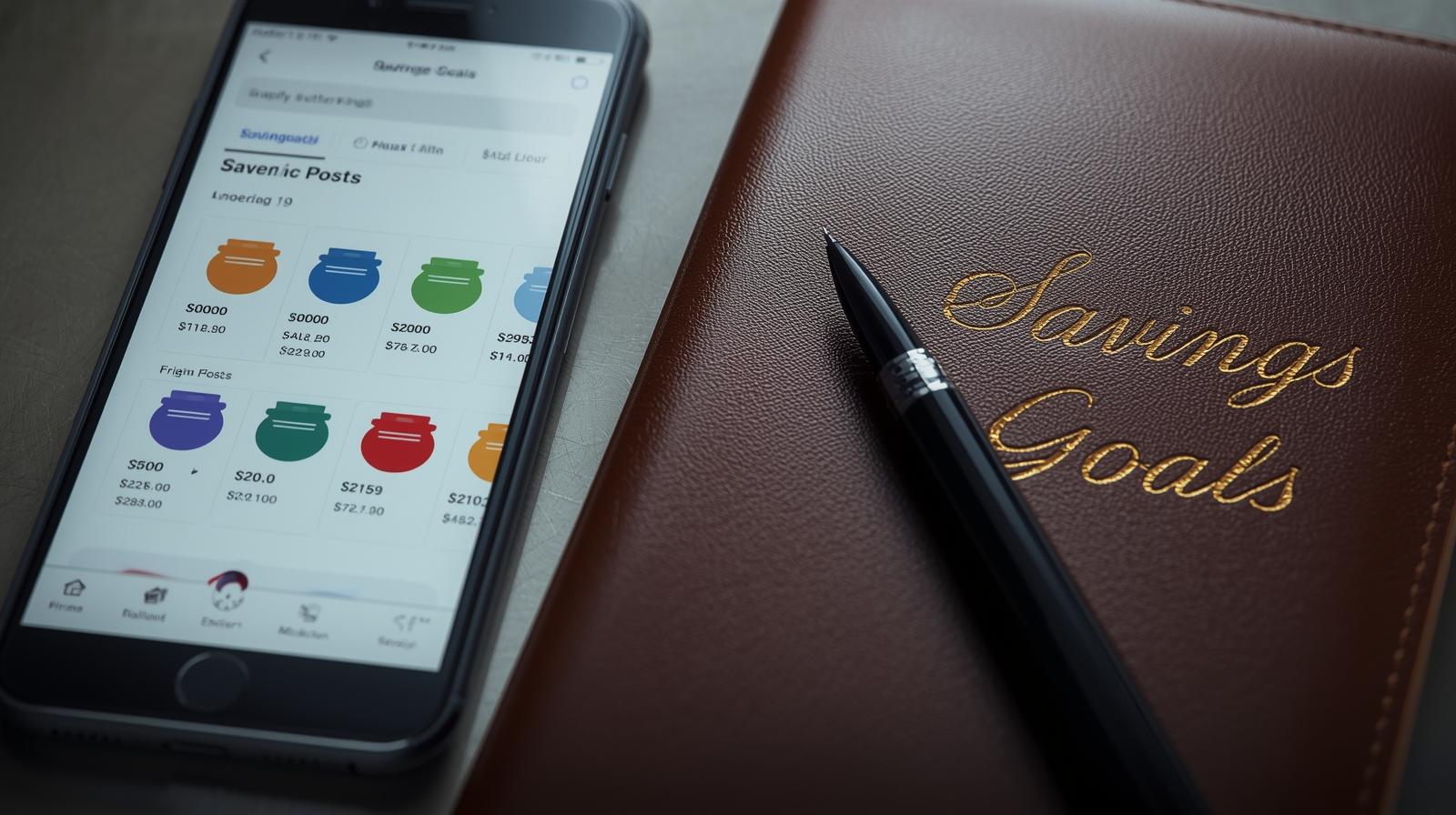
8. Review Your Allowances Before April
Many UK allowances reset in April. Look at:
• ISA allowances
• savings interest limits
• workplace benefit allowances
• any unused tax-free childcare funds
• pension contribution opportunities
If you leave this until the new year starts, you may miss opportunities to maximise what you already have available.
9. Check Your Pension Contributions
Review your workplace pension, personal pension or both. Make sure your contributions still match your goals. If your employer matches contributions, check whether increasing your rate gives you more value.

A brand new Miss Money Saver competition is coming soon. There will be three prizes: a £20 Amazon gift voucher, a £20 supermarket gift voucher and a £10 Etsy gift card.
Click the banner above to bookmark the page, and be sure to keep checking back.
Details will be added as soon as the competition opens.
15. Look Over Gift Cards and Loyalty Points
Gift cards and loyalty points often sit unused. A quick check shows what value you already have available. This helps reduce spending on future purchases.
16. Update Your Financial Goals for the New Year
As you approach the new tax year, update your financial goals.
Using a budget planner notebook to write down your goals can help you stay focused and follow through throughout the year.
Decide what matters most, whether it is saving more, building a bigger emergency fund or reducing debt. Clear goals make your decisions more focused and practical.


A money MOT helps you enter the new tax year feeling organised instead of overwhelmed. Small checks make a big difference to how steady and prepared you feel when April arrives. If you work through this list step by step, you give yourself a strong financial starting point for the year ahead.
What part of your money MOT will you start with first? Share your thoughts in the comments.

Here are answers to some common questions.
When does the UK tax year start and end? The UK tax year runs from 6 April to 5 April the following year. Many people review their finances just before the new tax year begins so they can check bills, allowances and savings before everything resets.
How often should I review my budget? Most people benefit from checking it monthly, but a full review before April helps you reset for the new tax year.
Do I need to switch energy suppliers every year? Not always, but checking deals yearly helps you avoid being stuck on an old or expensive tariff.
Is a money MOT the same as financial planning? A money MOT is simpler. It covers the practical checks that help you stay organised before the new tax year.
Should I check my tax code every year? Yes. Changes in work or income sometimes trigger incorrect tax codes.

Here are some useful links to support your money MOT.
Check Your Credit Report
Free access to your UK credit file from trusted providers. Helps you spot errors and keep your report accurate.
Budget Help and Tools
Simple tips and guides to help you organise spending and cut waste.

If this post helped you, share it with friends and family who value simple, practical money-saving tips. Use the hashtag #MissMoneySaver when you share.
What is one tip from your own money MOT that others might find useful? Add it in the comments below.
This post contains affiliate links, which means I may receive a small fee if you sign up for some of the products or services recommended, at no extra cost to yourself.