
If money has felt a bit messy lately, a money reset can help you feel calmer, clearer, and more in control again.
Sometimes it is not one huge problem. It is a build-up of little things. A few extra spends here. A couple of bills there. A week where everything feels more expensive than it should. Then before you know it, your budget feels harder to manage and saving money slips down the list.
That is where a money reset can help. It gives you a chance to pause, look at what is really going on, and make a few simple changes that take the pressure off. It does not need to be dramatic. It does not need to be perfect. It just needs to be honest and practical.
If you want to get a better grip on your overall budget as well, my post, Master Your Budget: How to Track and Control Your Expenses is a helpful next read.
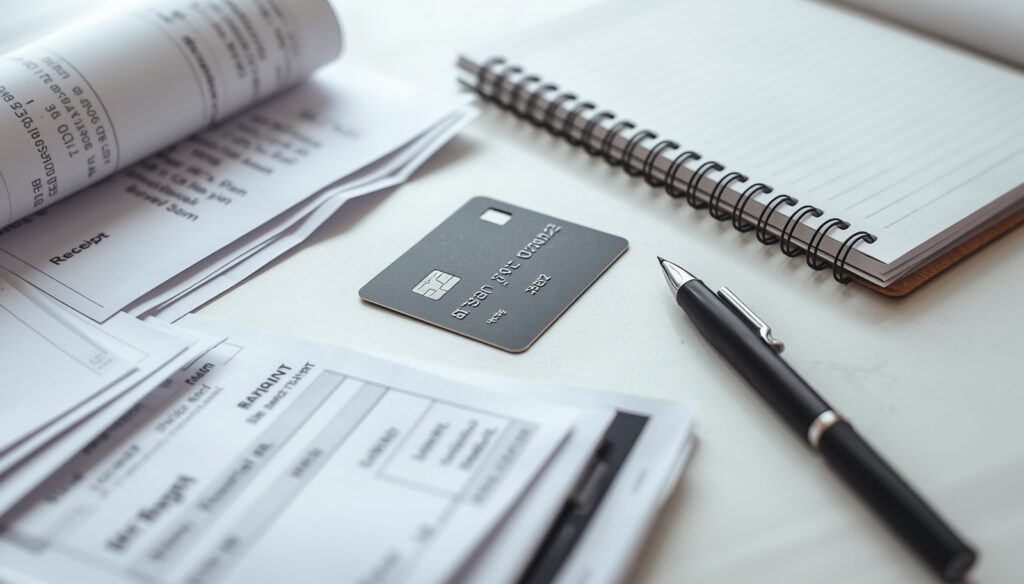
What Is A Money Reset?
A money reset is exactly what it sounds like. It is a chance to step back, check in with your finances, and make a few smart changes so things feel more manageable again.
It is not about punishing yourself for spending money. It is not about living on beans for a month or pretending birthdays, school costs, and random life admin do not exist. It is about getting realistic about what is coming in, what is going out, and what needs to change so you can move forward feeling more in control.
Sometimes the best thing you can do is stop avoiding it.
That alone can be a reset.
Why Money Stress Builds So Quickly
Money stress often creeps up quietly. At first, it is just one expensive week. Then it is a bigger food shop, an unexpected bill, a couple of takeaways because life was hectic, and suddenly your account looks a bit more offended than usual.
When that happens, it is easy to go into avoidance mode. You stop checking your balance. You put off looking at direct debits. You tell yourself you will deal with it next week.
The trouble is, next week tends to come with its own expenses.
That is why a money reset helps. It gives you a way to break that cycle before it turns into a bigger problem. Even a short reset can help you spot waste, reduce stress, and feel less overwhelmed by what is going on.
Start With A Quick Money Check-In
Before you try to fix anything, look at where things actually stand.
This does not need to be a long or complicated exercise. A simple check-in is enough to get started. Open your banking app, recent statements, or budgeting notes and ask yourself a few basic questions:
- What has come in this month?
- What has gone out?
- What feels essential?
- What looks higher than usual?
- What could I cut, pause, or reduce?
This part matters because guesswork makes money feel more stressful. Once you can see what is really going on, it becomes easier to decide what to do next.
Do not go into this trying to shame yourself. That is not useful. The point is to get clear, not make yourself feel worse.

Look For The Leaks
One of the quickest ways to do a money reset is to look for the quiet leaks in your budget.
These are the things that often slip through without much thought. Small subscriptions. Repeat purchases. Delivery fees. Extra snacks. App payments. Random bits that never seem huge on their own but add up over the month.
Go through your recent spending and look for patterns.
You might notice:
- subscriptions you forgot about
- regular spending that has crept up
- convenience spending when you are tired or busy
- duplicate services
- impulse spending that happens in certain situations
This is useful because you do not always need to make huge cuts to feel relief. Sometimes you just need to stop the steady drip of money leaving your account for things you do not really need.
Cut Pressure Before You Cut Everything
A lot of budgeting advice can feel too extreme. It jumps straight into cutting every treat, every spare pound, and anything remotely enjoyable.
That usually lasts about five minutes.
A better approach is to cut the pressure first.
Focus on the changes that make your money easier to manage without making life miserable. That could mean:
- removing shopping apps from your phone
- unsubscribing from tempting sales emails
- planning simpler meals for the week
- setting a weekly spending limit for extras
- moving a small amount into savings as soon as you are paid
You do not need the most impressive plan. You need something you will actually stick to.
That is what makes a money reset work.
If you want to take things a step further, my post How to Start a No-Spend Month and Stick to It can help you cut back in a more focused way without making it feel impossible.
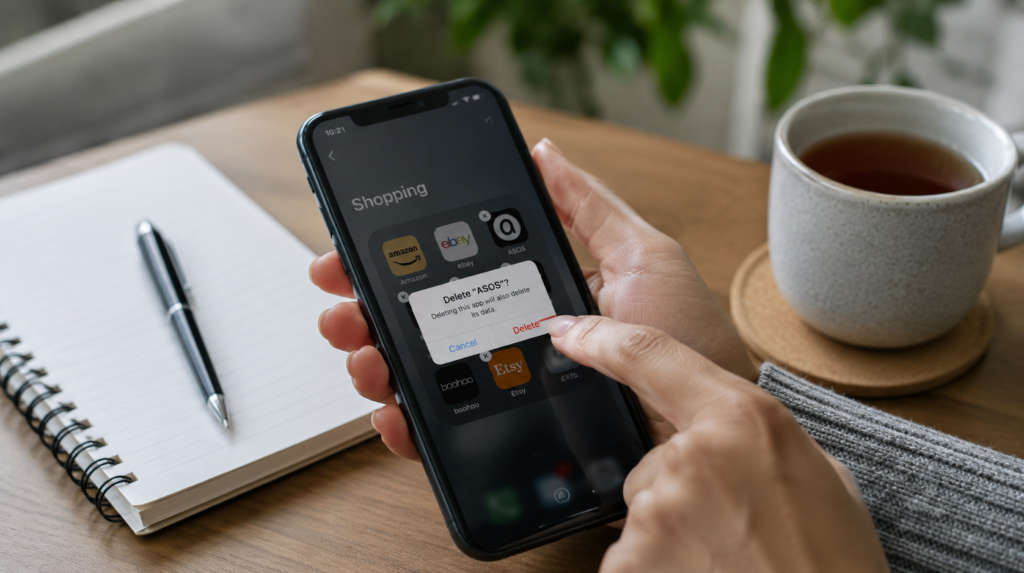
Reset Your Weekly Spending
If your monthly budget feels too broad, bring it down to a weekly level.
Weekly budgeting can feel far easier because it gives you a shorter window to work with. Instead of trying to stay on track for a full month, you are only focusing on the next few days. That can make it easier to rein things in quickly if you overspend.
Try setting a weekly amount for:
- groceries
- transport
- takeaways
- household bits
- personal spending
Once you have a number, check in with it during the week instead of waiting until the damage is done.
This is one of the simplest ways to reduce money stress because it makes your spending feel more visible and less vague.
If weekly budgeting feels easier than managing a full month at once, my post How to Set a Weekly Budget That Actually Works can help you make it feel more practical.

Give Your Savings A Clear Purpose
Saving is easier when your money has a job.
If you just tell yourself to save more, it can feel too vague to stick. But if you save for something specific, it feels more real. That might be:
- an emergency buffer
- car costs
- birthdays
- Christmas
- back-to-school spending
- home repairs
- a general just-in-case pot
This is where a lot of people find a money reset really helpful. Instead of feeling like savings are impossible, they realise that small amounts can still make a difference when they are put aside regularly.
It does not have to be a lot.
A small, steady habit is often more useful than waiting for the perfect month that never seems to arrive.
Build A Small Buffer First
If your money has felt tight, building a small buffer can make a big difference.
This is not the same as having a huge emergency fund right away. It is simply a little bit of breathing room. Enough to deal with a minor surprise without everything else going off track.
That could cover:
- a prescription cost
- parking
- a birthday present
- a school payment
- a pet expense
- a small household emergency
Even putting aside a little each week can help you feel less on edge. The goal is to make your budget feel less fragile.
That is often one of the biggest wins from doing a money reset. You stop feeling like every unexpected cost is a full disaster.
Make One Change That Gives Fast Relief
When things feel financially messy, start with the change that gives you the quickest relief.
That might be:
- doing one cheaper food shop
- pausing takeaways for a couple of weeks
- cancelling unused subscriptions
- cutting down convenience spending
- reviewing one bill
- setting up an automatic transfer to savings
You do not need to overhaul your whole life in one go. In fact, that often makes things harder.
Start with one realistic fix. Once that feels normal, do the next one.
This works better because progress feels manageable, and you are more likely to keep going.

Keep Your Reset Simple
The best money reset is one you can repeat.
If your system is too complicated, you will avoid it. If it feels heavy, boring, or full of admin, it will not last.
A simple routine works better. Try this once a week:
- check your balance
- check upcoming bills
- review recent spending
- move money if needed
- pick one focus for the week ahead
That is enough.
A short routine keeps you connected to your money without making it feel like a full-time job. It also means problems get spotted earlier, which is much easier than trying to rescue things later.
Be Careful With All-Or-Nothing Thinking
One expensive week does not mean your reset has failed.
One slip does not mean you are bad with money. One unplanned spend does not mean the whole month is ruined.
This matters because all-or-nothing thinking is one of the quickest ways to give up. People often overspend once, feel annoyed with themselves, then decide there is no point trying anymore.
There is still a point.
A money reset is about recovery as much as prevention. The goal is not to be perfect. The goal is to notice what happened, make an adjustment, and carry on.
That is how real progress usually works.
Use Tools That Support You
You do not need fancy systems to get back on track. Sometimes the most useful tools are the simplest ones.
That could be:
- a notebook
- your banking app
- a basic planner
- a separate savings pot
- a printed budget sheet
- a short weekly money routine
If you want something a bit more guided, my Finance Reset Workbook in my Etsy Store can help you work through things in a clear, practical way.
If you want extra support with practical money habits and simple next steps, my Smart Money Moves guide is also a useful place to start.
The key is to use tools that help you act, not tools that just make you feel organised for ten minutes and then get ignored.
The key is to use tools that help you act, not tools that just make you feel organised for ten minutes and then get ignored.

A Money Reset Can Change More Than Your Budget
One of the best things about a money reset is that it does not just help your bank balance. It can help your headspace too.
When your finances feel less chaotic, everything can feel a bit lighter. You know what bills are coming. You know what you can spend. You know where you need to be careful. That clarity reduces pressure.
You may not fix everything at once, but even a few small changes can make a real difference.
That is worth doing.

A money reset is not about becoming a different person overnight. It is about making your money feel calmer, clearer, and easier to manage with the life you already have.
Small changes still count. A better check-in routine counts. Cutting one leak counts. Saving one small amount counts. It all helps build a stronger sense of control over time.
If things have felt a bit messy lately, take this as your reminder that you do not need to wait for the perfect moment to start again. If this post helped, let me know in the comments what part of your money reset you are starting with first.

What is a money reset?
A money reset is a simple review of your finances so you can spot what is not working, reduce stress, and make better money decisions going forward.
How often should I do a money reset?
A quick weekly check-in can help, and a deeper monthly reset works well for most people. The best option is the one you will actually keep doing.
Can a money reset help if money is very tight?
Yes. Even if money is tight, a reset can help you prioritise essentials, reduce waste, and make a clearer plan for what to do next.
Should I focus on saving or reducing spending first?
Usually both work best together in small ways. Cutting waste where you can and putting aside even a small amount can help you feel more stable over time.

Budget friendly meal solutions: save money on our food bill
If part of your money reset includes cutting everyday costs, my post is a useful next read. It shares practical ways to reduce food spending without making meals feel restrictive or unrealistic.
Tax Relief for Work Expenses: Get Back What You Are Owed!
If you want to look for extra ways to improve your finances, my post explains how you may be able to claim back money on eligible work-related costs.
Prescription Prepayment Certificate: Save Money On NHS Prescriptions
If you pay for regular prescriptions, my post shows how this can be a simple way to reduce monthly pressure and support your wider money reset.
MoneyHelper is a reliable UK resource for budgeting, saving, and general money guidance. It is useful if you want extra practical support alongside your own reset plan.

If this post helped, share it with someone who needs a simple money reset. If you post it on social media, tag #MissMoneySaver so more people can find practical, realistic money help too.
This post contains affiliate links, which means I may receive a small fee if you sign up for some of the products or services recommended, at no extra cost to yourself.